 Impact
 Blog
Blog Store Locator
 Subscription
You just left the salon (or finished a fresh box dye at home), your color looks exactly right, and the last thing you want is to watch it fade down the drain two weeks later. So when someone suggests switching to a shampoo bar, the first question is completely fair: will this mess with my color?
Short answer: no - but it depends on the bar. Here's what's actually going on with color-treated hair, why most liquid shampoos are quietly working against you, and how the right shampoo bar can actually help your color last longer.

Why Color-Treated Hair Fades (And What Shampoo Has to Do With It)
Hair dye works by depositing pigment molecules into the hair shaft. The outer layer of your hair - the cuticle - is made up of overlapping scales, and when those scales are open, color molecules escape. When they're closed, color stays locked in.
The problem? Most conventional liquid shampoos contain sulfates - specifically sodium lauryl sulfate (SLS) or sodium laureth sulfate (SLES). Sulfates are powerful detergents. They create a satisfying lather, but they also lift the cuticle aggressively with every wash, letting those color molecules rinse right out. Research shows sulfates can cause up to 50% faster color loss compared to sulfate-free formulas when used daily.
Heat, UV exposure, and hard water compound the issue further - UV rays trigger oxidation that breaks down dye bonds, while minerals in hard water coat strands with a dulling film that kills shine even when the color itself is still intact.
The solution isn't washing less. It's washing smarter - with a formula that cleans without prying the cuticle open in the process.
Are Shampoo Bars Safe for Color-Treated Hair?
Yes - the right ones absolutely are. But this is where an important distinction comes in that most brands skip over.
There are two types of bars that get called "shampoo bars," and they behave very differently:
Traditional Soap Bars (Avoid These)
Some bars on the market are essentially saponified soap - the same process used to make bar soap for your body. These have a naturally high pH (around 9–10), which forces the hair cuticle open. For color-treated hair, that's a problem: an open cuticle means color molecules have a direct exit route. These bars will fade your color faster than most liquid shampoos.
Syndet Shampoo Bars (The Safe Choice)
Syndet stands for "synthetic detergent" - which sounds alarming but just means the bar uses the same type of gentle, plant-derived surfactants found in good liquid shampoos, pressed into solid form. A well-formulated syndet bar sits at a hair-friendly pH of 4.5–5.5, which matches your hair's natural acidity and keeps the cuticle sealed flat. No open cuticle, no color escape.
Ethique's bars are syndet bars - pH-balanced and formulated specifically for hair (not repurposed soap). Every Ethique bar is color safe. If you want a fully sulfate-free formula, Ethique's PURPLE, REPAIRING, CURL, STRENGTHENING, and GENTLE bars are all sulfate-free - so you can choose based on your hair's specific needs and know your color is covered.
Balayage, Highlights, Box Dye, Toning - Does It Matter?
A little. The base rule is the same across all color types - sulfate-free, pH-balanced - but your specific color treatment does affect what your hair needs most:
Balayage & Highlights
Lightened hair (whether it's a full highlight, partial, or soft balayage) is more porous than virgin hair because the lightening process opens and roughens the cuticle. More porous hair loses moisture and color faster. You want a shampoo bar that cleanses gently and adds back hydration - something with nourishing oils to help seal that lifted cuticle back down. Ethique's GENTLE Bar is a strong pick here: sulfate-free and designed for sensitive, porous hair, it cleanses without stripping and helps keep lightened strands from drying out.
Box Dye & Permanent Color
Permanent color penetrates deeper into the hair shaft than toners or semi-permanent dyes, which means it's more resilient - but still vulnerable to sulfate stripping. The priority here is maintaining vibrancy and preventing brassiness. A color-safe, pH-balanced bar keeps the cuticle closed so color molecules stay put between salon visits.
Toning & Semi-Permanent Color
Toners and semi-permanent shades sit on the cuticle rather than penetrating it, which makes them the most fade-prone of all. If you're maintaining a toner (especially silver, purple, or ash tones), every wash matters. Gentle, sulfate-free cleansing and cool water rinses are your best tools for extending the life of your tone. Ethique's PURPLE Bar - formulated to enhance luminosity and smoothness - is ideal here, keeping strands reflective and color-true between touch-ups.
Color-Treated + Damaged Hair
If your hair has been through repeated coloring, bleaching, or heat styling, the cuticle may already be significantly compromised. Ethique's REPAIRING Shampoo and Conditioner Bars are formulated specifically for this - with rice protein, mango seed butter, and shea butter to patch gaps in the damaged cuticle and reduce breakage. Check out our guide on how to tell if your hair is damaged to gauge where you're starting from.
How to Get the Most Out of a Shampoo Bar on Color-Treated Hair
The bar does most of the work, but a few habits make a real difference in how long your color lasts:
Rinse with Cool Water
Hot water opens the hair cuticle - the exact opposite of what you want when you're trying to lock color in. Finishing your rinse with cool (not freezing, just not hot) water helps seal the cuticle flat, which means more shine and slower fade. Yes, it takes some getting used to. Yes, it's worth it.
Don't Wash Every Day
Every wash - no matter how gentle the formula - removes some color over time. Stretching washes to every 2–3 days helps significantly. The good news: once you're through the shampoo bar adjustment period, most people find their hair stays fresher longer between washes anyway, because the bar isn't stripping the scalp into overdrive oil production.
Watch Your Water
If you have hard water, mineral buildup can dull color even when the dye itself is intact - the minerals coat the strand and kill shine. An apple cider vinegar rinse once a week (1 tbsp ACV to 1 cup water, leave for 2 minutes, rinse) cuts through mineral film and restores clarity. Understanding your hair's porosity also helps you choose the right follow-up conditioner for your color type.
Protect Against UV
UV exposure oxidizes dye molecules and causes brassiness - especially noticeable in blondes and warm tones. A UV-protective leave-in or wearing a hat on sunny days extends your color between appointments more than almost anything else.
Why Switching to a Shampoo Bar Is Actually Good for Color-Treated Hair
Here's the reframe most people don't expect: switching to a sulfate-free shampoo bar isn't a compromise for color-treated hair. It's often an upgrade.
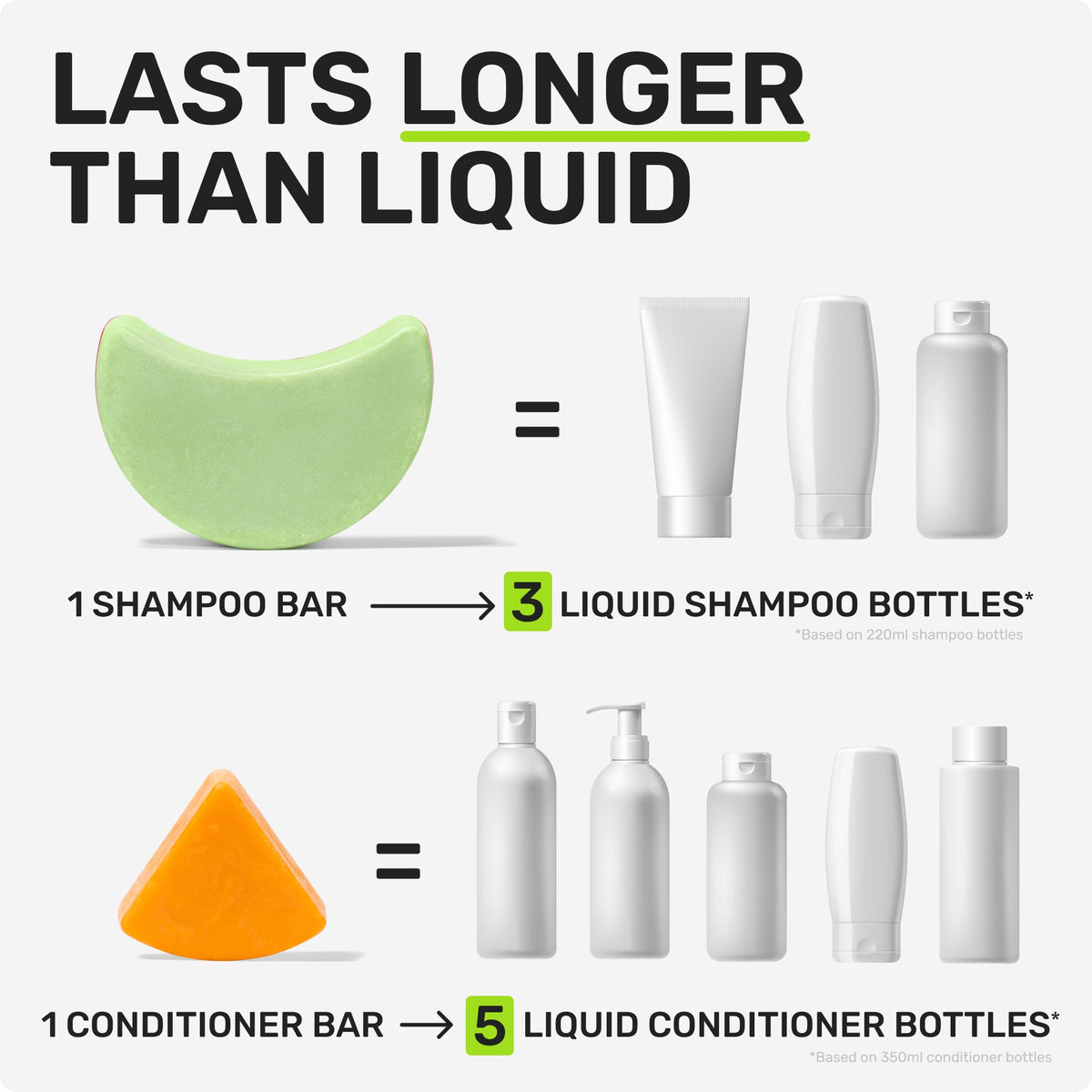
Most mainstream liquid shampoos - even ones marketed as "color safe" - still contain sulfates or harsh cleansing agents that work against color longevity. Ethique's sulfate-free bars - PURPLE, REPAIRING, CURL, STRENGTHENING, and GENTLE - eliminate that problem entirely, while also cutting out the plastic bottle that ends up in landfill after about a month.
You're protecting your color investment, your hair's health, and the planet at the same time. That's not a bad trade.
Find Your Color-Safe Bar
Every Ethique bar is color safe. For a fully sulfate-free formula, the PURPLE, REPAIRING, CURL, STRENGTHENING, and GENTLE bars are the best picks for color-treated hair - choose based on your hair's biggest need.
Not sure which is right for your hair type? Start with our best sellers - they cover the most common color-treated hair needs and have thousands of reviews to back them up.
Shop Best Sellers →New to bars? Our How-To guide walks you through technique so you get the best results from day one.
Frequently Asked Questions
Are shampoo bars safe for color-treated hair?
Yes - pH-balanced syndet shampoo bars are safe for color-treated hair and can actually protect color better than most liquid shampoos. The key is avoiding traditional soap-based bars, which have a high pH that forces the cuticle open and causes color to fade faster. Ethique's shampoo bars are syndet bars, formulated at a hair-safe pH of 4.5–5.5.
Will a shampoo bar fade my hair color?
A sulfate-free, pH-balanced shampoo bar will not fade your hair color - in fact, it helps preserve it. Sulfates (found in most liquid shampoos) lift the hair cuticle aggressively and allow color molecules to escape. Sulfate-free bars cleanse without disrupting the cuticle, keeping color locked in longer between salon visits.
Can I use a shampoo bar on highlighted or balayage hair?
Yes. Highlighted and balayage hair is more porous than virgin hair due to the lightening process, so it needs a shampoo bar that cleanses gently and adds hydration. A smoothing, sulfate-free bar like Ethique's GENTLE Bar helps seal the cuticle and reduce frizz - both common concerns for lightened hair.
What is the best shampoo bar for color-treated hair?
The best shampoo bar for color-treated hair is one that is sulfate-free, pH-balanced (between 4.5 and 5.5), and free from harsh detergents. Ethique's GENTLE and PURPLE shampoo bars both meet these criteria and are formulated to protect color vibrancy while delivering a thorough, gentle cleanse.
How often should I wash color-treated hair with a shampoo bar?
Every 2–3 days is ideal for color-treated hair. Washing less frequently reduces the cumulative effect of any cleansing on color molecules. Many people find that after switching to a sulfate-free shampoo bar, their hair stays fresher longer between washes, making it easier to stretch out wash days naturally.
Do shampoo bars work on toned or semi-permanent color?
Yes, and they're especially beneficial for toned hair. Toners and semi-permanent shades sit on the outside of the cuticle rather than penetrating it, making them the most vulnerable to fade. A sulfate-free bar like Ethique's PURPLE Bar cleanses without stripping the cuticle surface, helping tones like silver, ash, and purple last significantly longer.
What's the difference between a color-safe shampoo bar and a regular shampoo bar?
A color-safe shampoo bar is pH-balanced and ideally sulfate-free - it cleanses without opening the hair cuticle, which is what allows color molecules to escape. A regular soap-based bar often has a high pH (9–10) that swells the cuticle and accelerates color fade. Always check that a bar is a syndet (synthetic detergent) formula rather than a saponified soap bar before using it on colored hair.