 Impact
 Blog
Blog Store Locator
 Subscription
Most people shed somewhere between 50 and 100 hairs every day. Sounds like a lot. It isn’t. Out of roughly 100,000 strands on the average head, that’s less than 0.1% at any given time - a normal part of the natural hair growth cycle.
What matters more than the number is what you’re looking at. A strand with a tiny white bulb at the root? That’s a hair that completed its cycle. Short snapped pieces with no bulb? That’s breakage - a different problem with different solutions. The answer to “is this normal?” depends entirely on which one you’re dealing with, and the right product response changes accordingly. (Our hair thinning vs hair loss vs breakage guide walks through how to tell which one you’re looking at.)
Why your shower drain looks worse than it is
Wash day collects multiple days of shedding in one go. If you wash every two or three days, that clump in the shower drain represents 150-300 hairs accumulated over several sessions. Looks dramatic. Usually isn’t.
Brushing does the same thing - it dislodges strands already in the resting phase that hadn’t physically fallen yet. Less frequent brushing? Bigger clumps when you do.
Hair length plays a role too. Ten strands of shoulder-length hair look like a lot more than ten strands from a pixie cut. Same amount of shedding, completely different visual impact.
If you’re seeing strands in the drain but your hair density hasn’t changed - your part line looks the same, your ponytail feels the same thickness - that’s your growth cycle working as designed. Each strand cycles independently through a growth phase (anagen, lasting two to seven years), a brief transition phase (catagen), and a resting phase (telogen) before it releases. About 5-10% of your hair is in that resting and shedding phase right now. Totally routine.
When the volume changes - and what to check first
A sudden increase in daily hair loss over a few weeks is different from routine shedding. If you’re consistently finding more than 150 strands a day, or your hair feels noticeably thinner, something has likely shifted.
Check what’s coming out. Grab a few strands from your brush.
White bulb at the root means the follicle released the strand naturally - more follicles entering the resting phase than usual. That’s shedding. Telogen effluvium is the most common version, and it’s almost always temporary.
No bulb, shorter pieces? That’s breakage along the shaft. Heat styling, chemical damage, rough handling, friction. Different cause, different response - and often something you can improve relatively quickly.
For hair that’s breaking due to weakness or brittleness, Ethique’s STRENGTHENING Solid Shampoo reduces breakage by 70% and delivers 3X stronger hair after one use. It contains ingredients including rosemary extract, biotin, hydrolyzed quinoa, and peppermint oil - working on the strand structure from the outside in. Rosemary extract specifically has strong independent research behind it. A 2015 trial published in SKINmed found rosemary oil matched minoxidil 2% for hair count increases over six months, with less scalp irritation. (More on rosemary oil for hair growth if you want the full picture.)
For the handling and routine side of things, our guide on how to stop hair breakage goes deeper.
Supporting the scalp where it starts
Hair grows from follicles embedded in scalp tissue. When that tissue is inflamed or irritated, the follicles don’t function at their best - more of them slip into the resting phase earlier than they should. Pollution, UV exposure, even smoking can contribute. Research published in the International Journal of Trichology has linked this kind of oxidative stress on the scalp directly to premature hair loss.
For dry or irritated scalps contributing to excess shedding, Ethique’s SCALP HEALTH Solid Shampoo reduces dry scalp flaking by 1.5x*. Oatmeal (colloidal), karanja oil, and neem seed oil. All three calm inflammation and help rebalance the scalp environment so follicles can get back to functioning normally.
*When used as a system with Everyday Shine Conditioner.
More on the scalp-first approach to hair health in our dedicated guide.
What drives excessive shedding
If the white bulb is present and you’re losing more than usual, the cause is often internal rather than something your routine can address.
Telogen effluvium pushes a larger percentage of hair into the resting phase simultaneously - sometimes up to 30% of strands, compared to the usual 5-10%. The frustrating part is timing. Shedding typically starts two to three months after a trigger event, which makes it hard to connect cause and effect. Common triggers include significant stress, illness, surgery, rapid weight loss, and hormonal changes after pregnancy or stopping hormonal birth control.
Two to three months of delay. That’s why it seems to come out of nowhere.
Telogen effluvium is almost always temporary. Once the trigger resolves, most people see new hair growth return to normal within six to twelve months.
Nutritional deficiencies can drive excess shedding too. Iron is a common one, especially among people who menstruate. Low ferritin levels - your body’s iron storage protein - can push follicles into telogen prematurely. Shedding more than usual and feeling fatigued? Worth asking your doctor to check iron, ferritin, and thyroid function.
Tight hairstyles create a different kind of problem. Ponytails pulled tight, braids under tension, heavy extensions, even clips worn in the same spot daily - sustained tension on the follicle can start as increased shedding and progress to traction alopecia if it continues. If your scalp feels sore after wearing your hair up, that’s telling you something.
The pull test - a quick self-check
Take a small section of about 60 hairs between your thumb and forefinger, close to the scalp. Slide your fingers firmly along the full length. Count what comes out.
Fewer than six strands is considered normal. Consistently more than that across different areas of your scalp - especially if it’s a recent change - worth mentioning to a dermatologist.
Frequently asked questions
Is it normal to lose more hair in the shower?
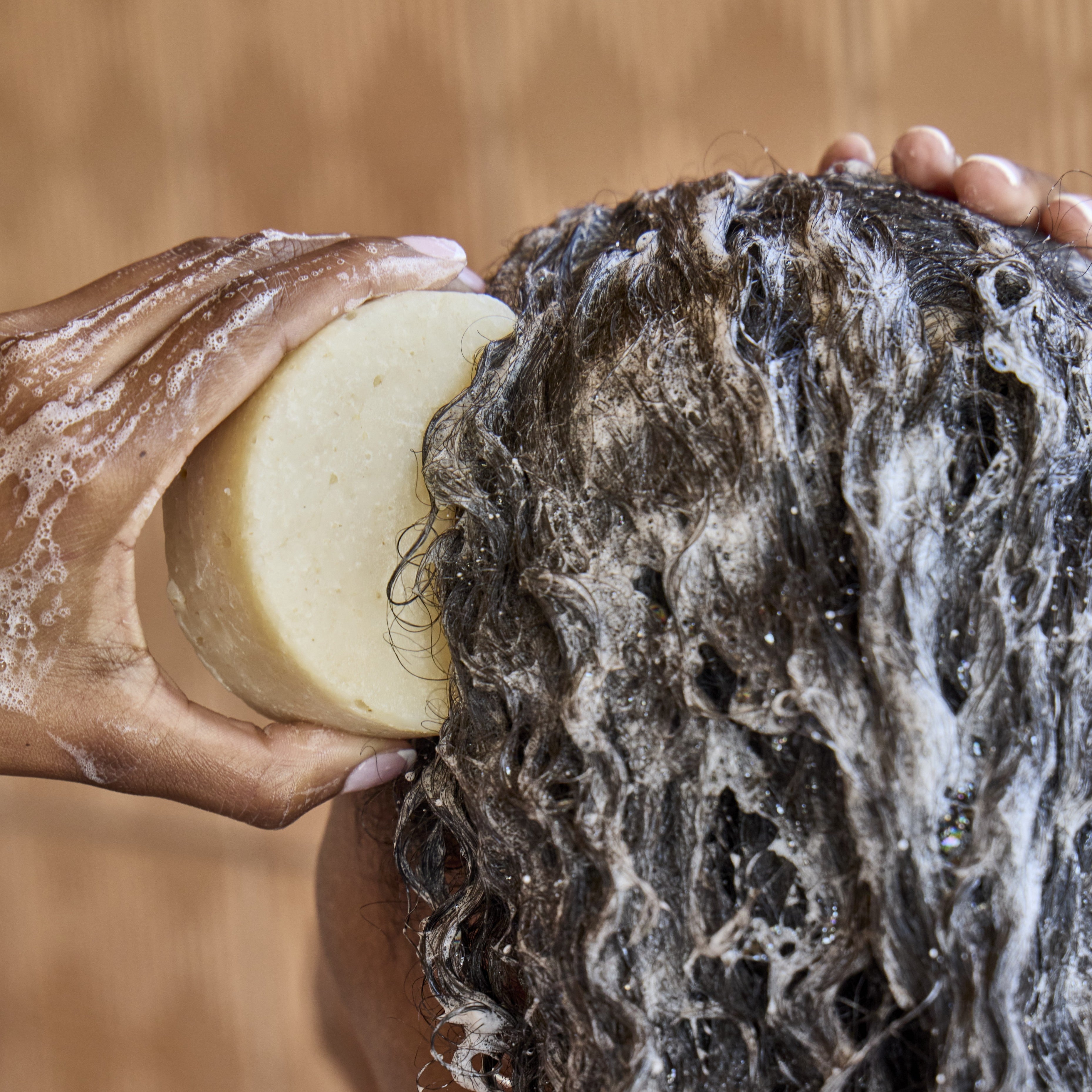
Yes. Washing loosens strands already in the telogen phase. If you wash every few days, you’re seeing several days’ worth at once.
Can stress cause hair shedding?
It can. Significant physical or emotional stress can trigger telogen effluvium - the same condition described above. Shedding shows up two to three months after the stressful event and is usually temporary.
Does hair shedding change with the seasons?
Possibly. A study published in Dermatology (Kunz et al., 2009) tracked hair cycle patterns over six years and found telogen percentages peaked around July, with a corresponding increase in shedding a few months later in late summer and autumn. For most people the seasonal effect is modest enough that they won’t notice.
When should I see a doctor about hair shedding?
If you’re losing noticeably more hair than usual for longer than two to three months, if you can see more scalp than before, or if bald spots are developing. Also worth checking in if you have other symptoms alongside the shedding - fatigue, unexplained weight changes, mood shifts, or skin changes - since these could point to an underlying condition like thyroid dysfunction or iron deficiency. And if you’ve recently switched to a shampoo bar and are worried that’s the cause, it’s almost certainly not.
Working out your next step
If the amount has changed, figure out whether you’re seeing shedding or breakage first - our hair thinning vs hair loss vs breakage guide helps you work through that. From there, a scalp-first approach paired with strengthening ingredients like rosemary extract and biotin gives your follicles the best environment to do what they’re built for.
If it still doesn’t feel right after a couple of months, that’s worth bringing to a dermatologist.
Sources
-
1. Trüeb RM. "Oxidative stress in ageing of hair." International Journal of Trichology. 2018;10(1):36-38. https://pmc.ncbi.nlm.nih.gov/articles/PMC6369642/
-
2. Panahi Y, et al. "Rosemary oil vs minoxidil 2% for the treatment of androgenetic alopecia." SKINmed. 2015;13(1):15-21. https://pubmed.ncbi.nlm.nih.gov/25842469/
-
3. Kunz M, et al. "Seasonality of hair shedding in healthy women complaining of hair loss." Dermatology. 2009;219(2):105-110. (Referenced in FAQ)